3PL & WAREHOUSING
July 27, 2026 | 6 min read | Wymore Transfer Team
I’m Managing Five Vendors Just to Move One Shipment
Moving one shipment should not require coordinating five different companies.
Yet many businesses rely on one provider for transportation, another for storage, a third for transloading, and additional vendors for labeling, repackaging, or final distribution. Every handoff introduces another schedule, invoice, contact, and opportunity for something to go wrong.
Why Does One Shipment Require So Many Vendors?
Supply chains often become complicated one service at a time. A business may first hire a carrier for transportation, then add a warehouse as inventory grows. Separate vendors may also handle rail transloading, labeling, repackaging, and final delivery.
Although each vendor solves a specific need, managing multiple contacts, schedules, and invoices can create delays and communication problems. A full-service logistics provider brings these services together, helping businesses simplify coordination and move shipments more efficiently.
Each decision may solve an immediate problem, but the overall process can become difficult to manage.
Moving one shipment should not require a full day of emails, phone calls, status checks, and invoice reviews. Yet many companies depend on multiple vendors for trucking, warehousing, transloading, packaging, and final delivery.
Each provider may perform its own task well. The problem appears in the spaces between those tasks. If one schedule changes, your team must contact every affected vendor, confirm a new plan, and make sure no detail gets lost during the handoff. A full-service logistics provider can reduce these gaps by coordinating each stage through one reliable point of contact.
A full-service logistics provider can reduce those gaps by bringing transportation, warehousing, transloading, packaging, and delivery support into one coordinated plan.
That coordination takes time away from inventory planning, customer service, sales, and other work that helps the business grow. A full-service logistics provider can simplify these responsibilities, making a shipment feel far less complicated than managing several vendors separately.

One Shipment, Multiple Providers
A Single Shipment May Require Your Team To:
Even when every provider has a limited role, someone must keep the complete shipment aligned from pickup through final delivery.
Schedule transportation with a trucking company.
Confirm receiving availability with the warehouse.
Coordinate freight transfers between railcars and trucks.
Send labeling or repackaging instructions to another provider.
Contact multiple representatives whenever a problem occurs.
Arrange final delivery with an additional carrier.
Review and reconcile invoices from several companies.
The number of vendors is only part of the problem.
The real challenge is coordinating every provider’s responsibilities, schedules, systems, and communication while keeping your shipment moving.
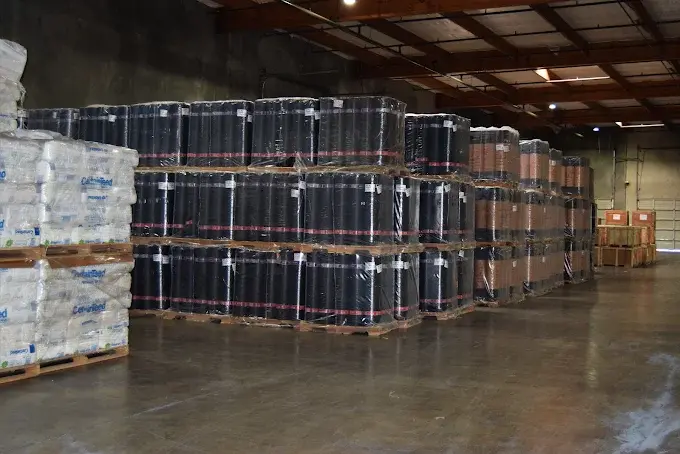
The Hidden Operational Cost
Why a Full-Service Logistics Provider Reduces Multi-Vendor Problems
Multiple vendors create more places where information can be delayed, misunderstood, or missed. The shipment may still arrive, but your team often spends unnecessary time preventing problems behind the scenes. A full-service logistics provider helps connect these steps so communication and responsibility are easier to manage.
Delays Multiply
One late pickup can affect warehouse appointments, labor schedules, transloading, and final delivery.
Communication Splinters
Updates live across emails, calls, portals, and different representatives, making the full shipment status difficult to see.
Billing Becomes Complicated
Separate rates, accessorial charges, and invoice formats make it harder to understand the shipment’s true total cost.
Accountability Is Unclear
When a problem happens between providers, it may be difficult to determine who owns the next action.
Processes Stay Inconsistent
Different systems and procedures increase the chance of missed instructions, labeling errors, or avoidable rework.
Your Team Becomes the System
Internal employees must manually connect every vendor, update, exception, and delivery requirement.
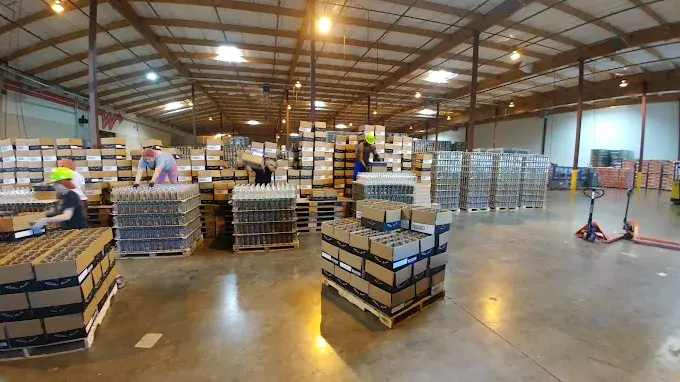
A Simpler Model
What Changes With a Full-Service Logistics Provider?
A full-service logistics provider manages connected logistics services through one team and one operating plan. Instead of coordinating each handoff yourself, you communicate with one accountable partner that understands the shipment from beginning to end.
More Control, Less Coordination
Benefits of Consolidating Logistics Services
Consolidation does not mean giving up control. It means replacing repetitive coordination with clearer communication, defined accountability, and a partner that can manage more of the shipment on your behalf.
Fewer Handoffs
Connected services reduce the number of times freight and information change hands.
Clearer Visibility
One partner can provide a more complete view of progress, timing, and exceptions.
Better Cost Understanding
Consolidated planning makes it easier to evaluate the total cost of moving freight.
Stronger Accountability
Your team knows who is responsible for coordinating the next action.
Greater Scalability
A connected logistics plan can adapt as shipment volume and service needs change.
More Time for Your Team
Employees spend less time chasing updates and more time supporting the business.
Before You Consolidate
How to Evaluate an Integrated Logistics Partner
The right partner should offer more than a long service list. Look for a team that can explain how its services connect and how it will manage communication, accountability, and exceptions. You should also review the provider’s experience and company background to understand who will be responsible for your freight.
Map Your Current Process
List every provider, handoff, invoice, system, and point of contact involved in a typical shipment.
Identify the Biggest Friction Points
Document where delays, missed updates, extra charges, and recurring errors most often occur.
Confirm Full-Service Logistics Capabilities
Ask whether the full-service logistics provider can coordinate transportation, warehousing, transloading, value-added services, and delivery as one plan.
Discuss Communication and Accountability
Confirm who your primary contact will be, how updates are shared, and who takes ownership when a shipment changes.
Start With a Defined Shipment
Use a pilot shipment or service lane to test communication, execution, reporting, and problem resolution before expanding the relationship.
Ready to Switch 3PL Providers With Confidence?
You do not have to manage a difficult 3PL transition alone. Wymore Transfer can help you create a controlled plan that protects your inventory, customer relationships, and daily operations.