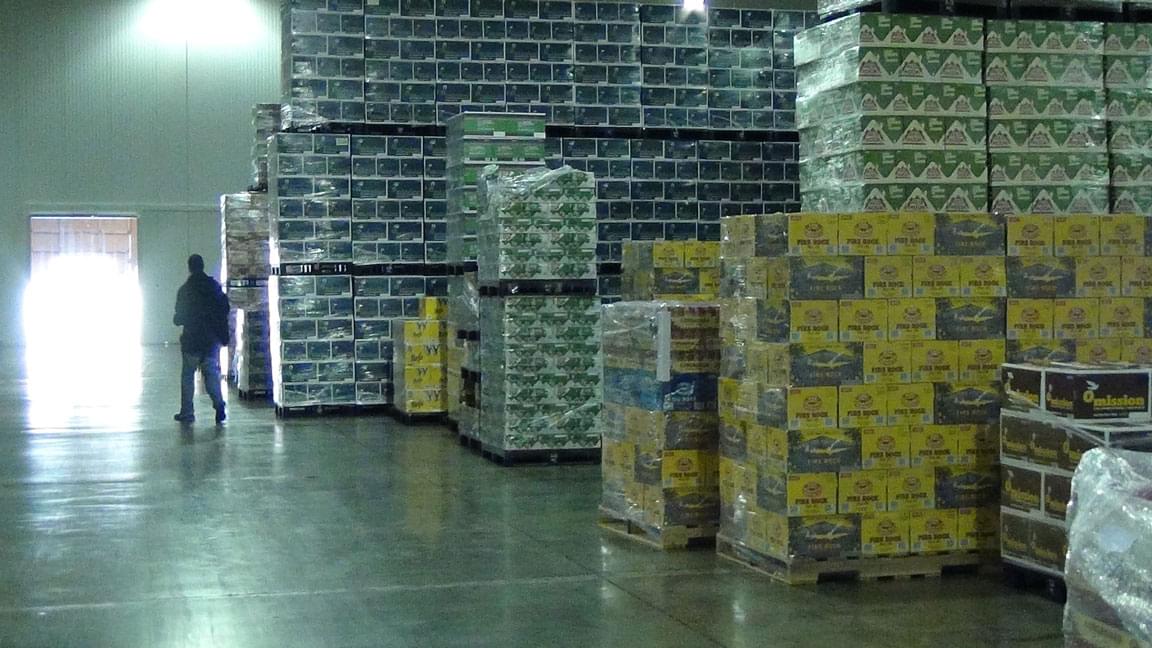
Palletized Freight in Oregon
Dry van, refrigerated, or flatbed? The right trailer starts with what is on the pallet, how it is loaded, and where it needs to go.
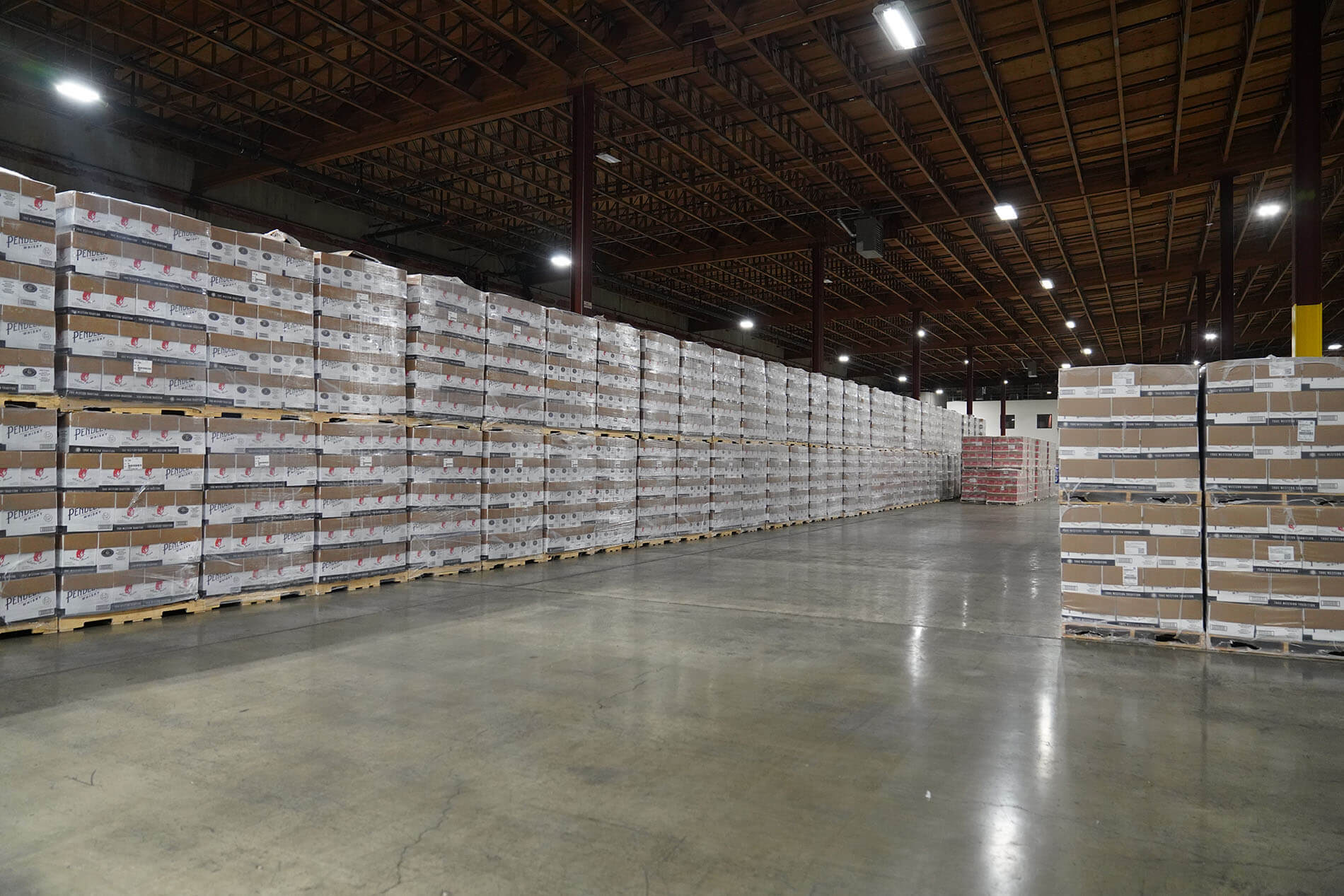
A pallet count does not tell the whole story.
To arrange palletized freight in Oregon, provide the product description, loaded pallet dimensions, total weight, stackability, and pickup and delivery conditions. Temperature requirements and loading methods help determine which equipment may be suitable.
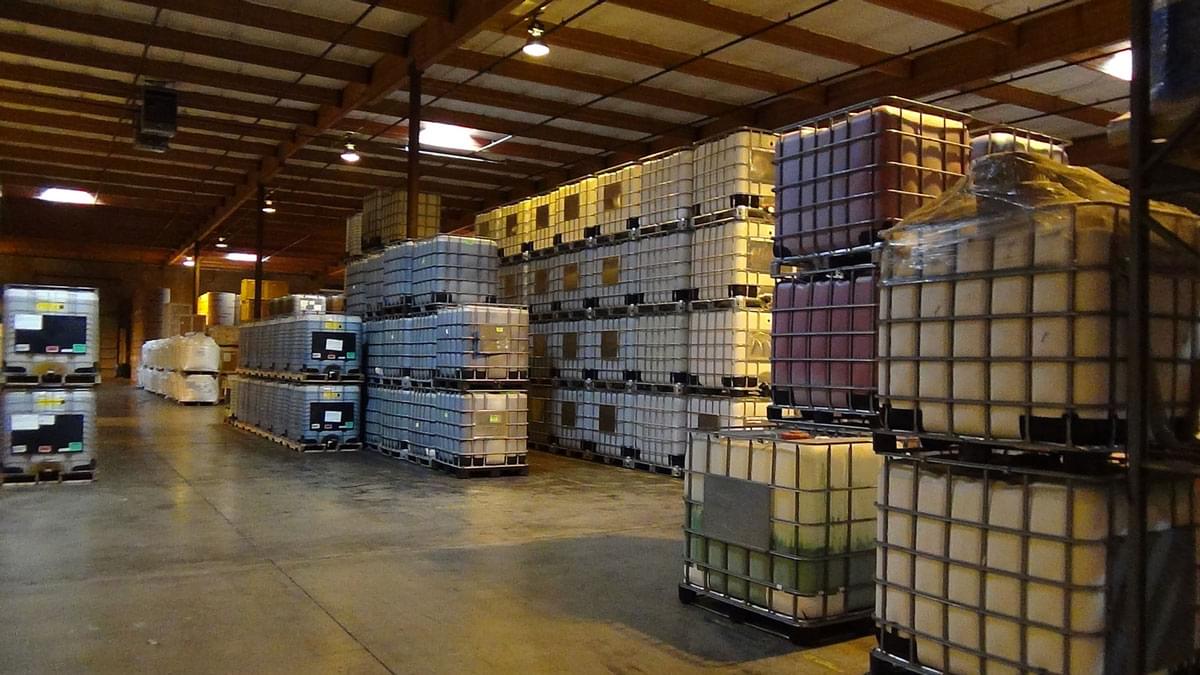
Ten pallets of packaged products can present a different transportation challenge from ten pallets of heavy industrial materials. Even when the pallet count matches, the dimensions, weight distribution, and handling requirements may differ.
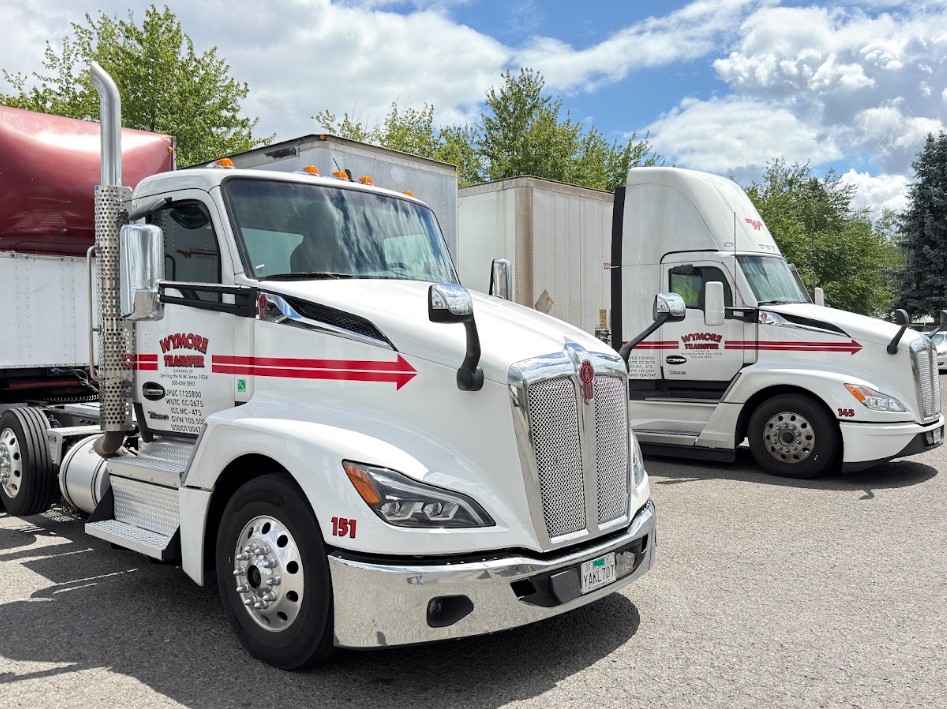
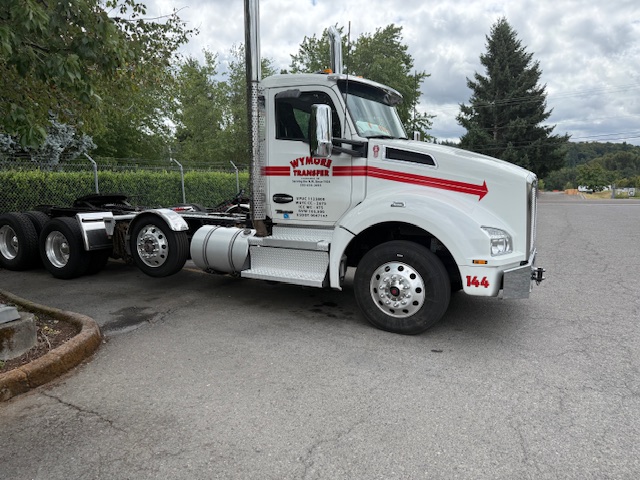
Wymore’s trucking services in Oregon include dry van, refrigerated, flatbed, and specialized equipment. Share your shipment details so the transportation team can assess the appropriate configuration.
Three equipment conversations to have.
These are starting points for discussing palletized freight in Oregon. Final equipment selection depends on the actual load and operating requirements.
Dry van
An enclosed trailer may suit packaged freight that needs protection from weather but does not require temperature-controlled transportation.
Confirm: loaded dimensions, total weight, packaging, and access for loading and unloading.
Refrigerated
Temperature-sensitive products need a clear discussion of required transport conditions and handling instructions before a refrigerated shipment is arranged.
Confirm: required temperature range, product condition at pickup, and receiving requirements.
Flatbed or specialized
Freight that needs side or overhead loading, or has unusual dimensions, may require a flatbed or another specialized configuration.
Confirm: loading method, exact dimensions, weight, and protection requirements.
Four checks before requesting a rate.
Accurate load information helps the carrier evaluate trailer fit and handling requirements. Avoid estimating details that can be measured.
For palletized freight in Oregon, explain any differences between pallets instead of assuming that one pallet’s measurements represent the entire shipment.
- Loaded dimensions
- Provide length, width, and height for each pallet configuration. Include overhang and identify non-standard or unusually tall pieces.
- Weight and distribution
- Share individual pallet weights where available, along with the shipment total. Flag concentrated heavy pieces for the carrier to evaluate.
- Stackability and packaging
- State whether freight can be stacked and describe any packaging or handling restrictions. Do not assume that empty space above a pallet can be used.
- Pickup and delivery access
- Confirm docks, forklifts, appointment windows, and any side-loading or overhead-loading needs. Identify site restrictions before scheduling.
Send the details that move the conversation forward.
Keep these four groups of information together when contacting Wymore about your shipment.
Where it moves
Complete origin and destination addresses, ZIP codes, contacts, and additional stops.
What is moving
Commodity, packaging, pallet count, loaded dimensions, weights, and stackability.
How it is handled
Temperature requirements, loading equipment, dock access, and special instructions.
When it is ready
Proposed pickup date, loading hours, delivery appointments, and expected shipping frequency.
Before your pallets leave the dock.
Can pallet count alone determine the trailer?
No. Loaded dimensions, total weight, stackability, product requirements, and loading access also influence equipment selection.
What if my pallets have different dimensions?
List each pallet configuration with its quantity, dimensions, and weight. Identify overhang and unusual pieces so the carrier can evaluate the complete shipment.
Can I request a quote before knowing the equipment type?
Yes. Start with accurate product, load, and handling information. Wymore’s transportation team can discuss equipment suitability and availability.
Can warehouse storage be discussed with transportation?
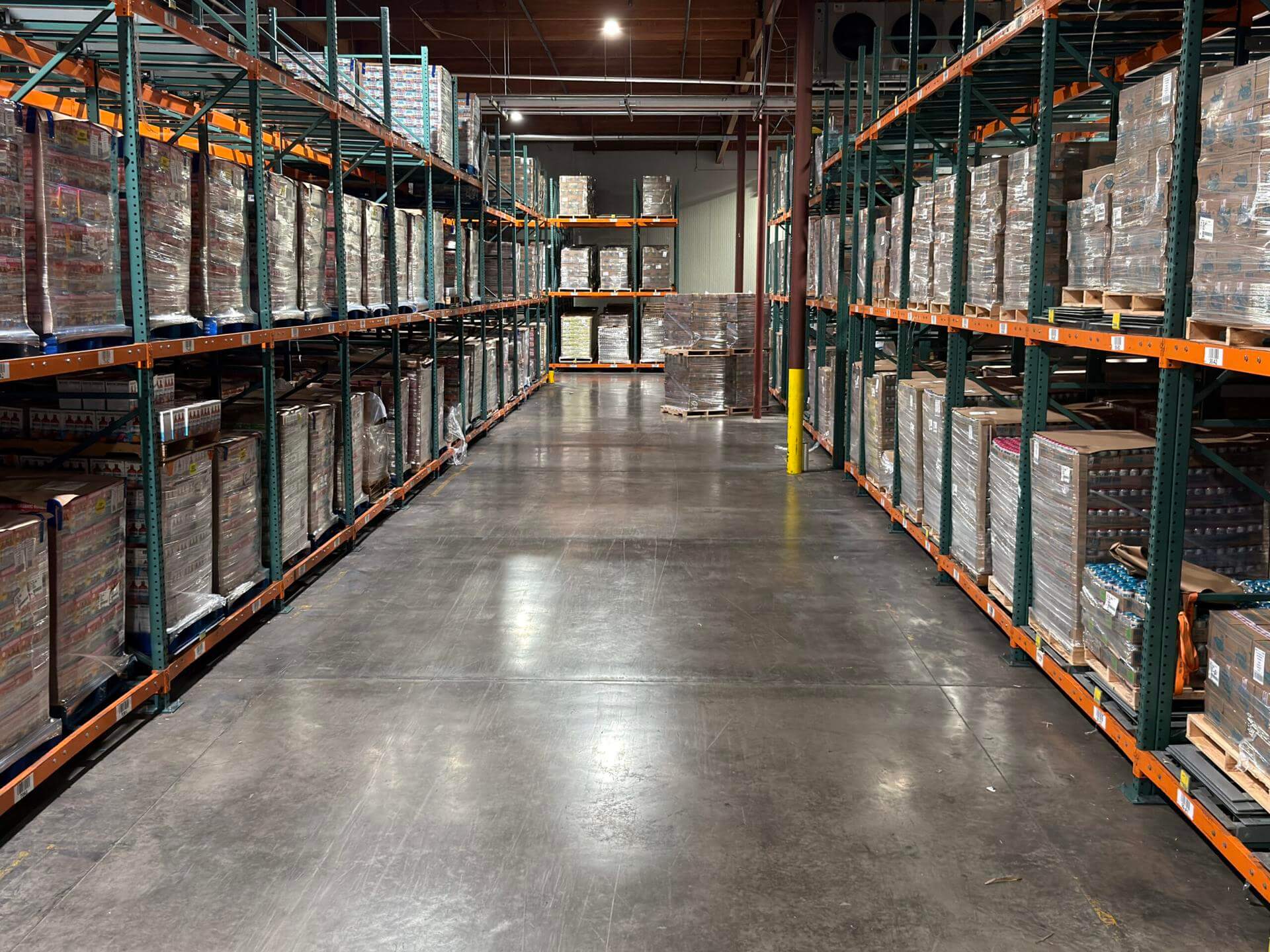
Yes. Wymore provides Oregon warehousing services alongside transportation. Explain whether inventory needs storage before pickup or after arrival so the team can assess the combined requirements.
Have pallets ready to move?
Send Wymore your shipment locations, pallet details, weight, and timing to discuss transportation options.
Discuss Your Shipment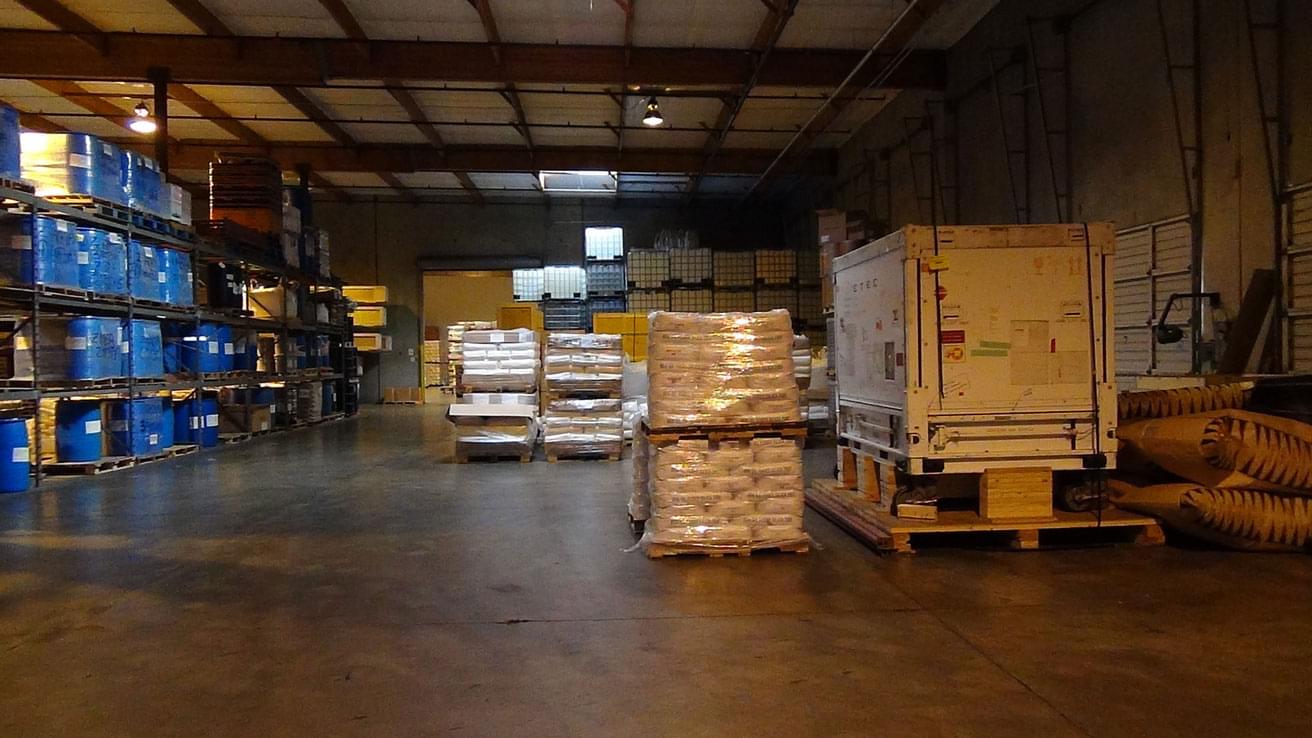
Keep your next shipment moving.
Practical guides to freight transportation, warehouse space, and the logistics decisions behind your next move.