Rail to Truck Transloading in Oregon
The railcar arrival is one milestone. Unloading, storage, and outbound transportation need to connect before your freight reaches its next destination.
What happens after the railcar arrives?
Rail to truck transloading in Oregon moves freight from rail equipment into truck transportation, sometimes with temporary storage between those steps. The handling method depends on the commodity, railcar, load dimensions, and destination requirements.
Before freight arrives, identify who coordinates unloading, where products will go next, and when the receiving facility can accept delivery. Those decisions help connect the transfer with the rest of the shipment.
Wymore’s Oregon transloading services include Union Pacific rail access, multiple railcar types, bulk transfer, and specialty handling capabilities. Specific products and projects require assessment.
Four stages to coordinate.
This illustrative sequence shows the decisions involved in rail to truck transloading in Oregon. Actual steps depend on the freight and the agreed handling arrangement.
-
Before arrival
Confirm the railcar and freight details.
Share the commodity, railcar type, expected quantity, dimensions, weight, and available shipment information. Discuss arrival coordination and required documents before setting the next appointments.
-
At the transfer
Match unloading to the product.
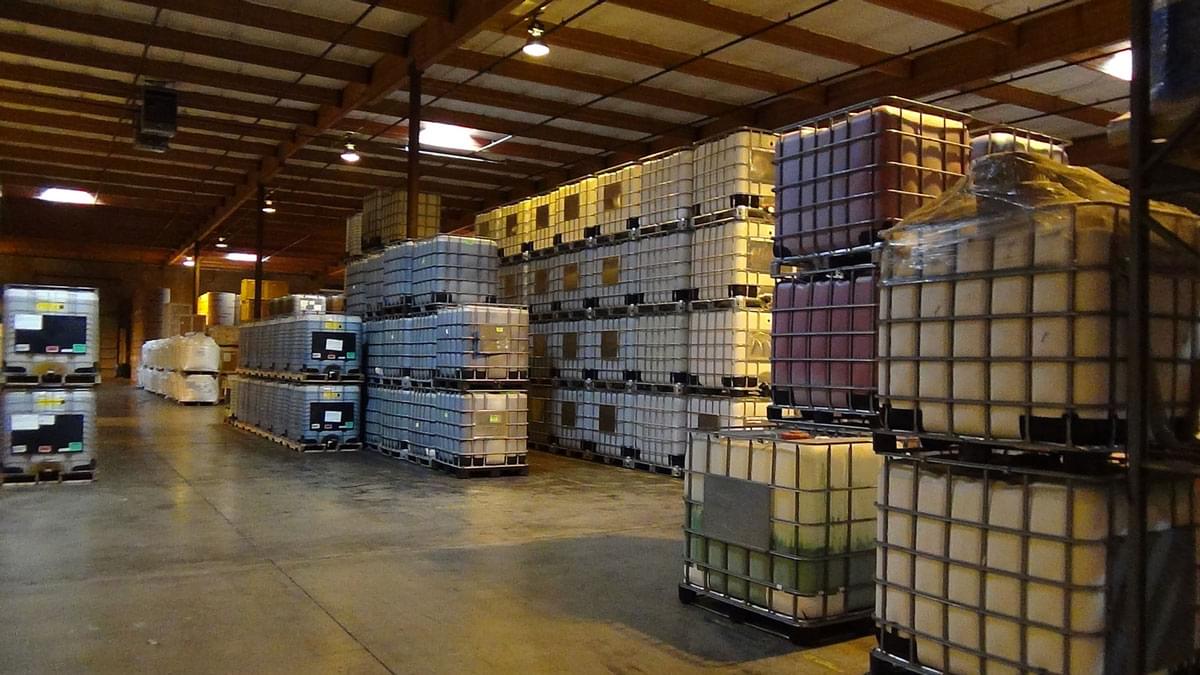
Palletized goods, bulk materials, and oversized pieces need different handling approaches. Confirm equipment suitability and any product-specific instructions. Describe unusual loads before arrival.
-
Between modes
Decide whether storage is needed.
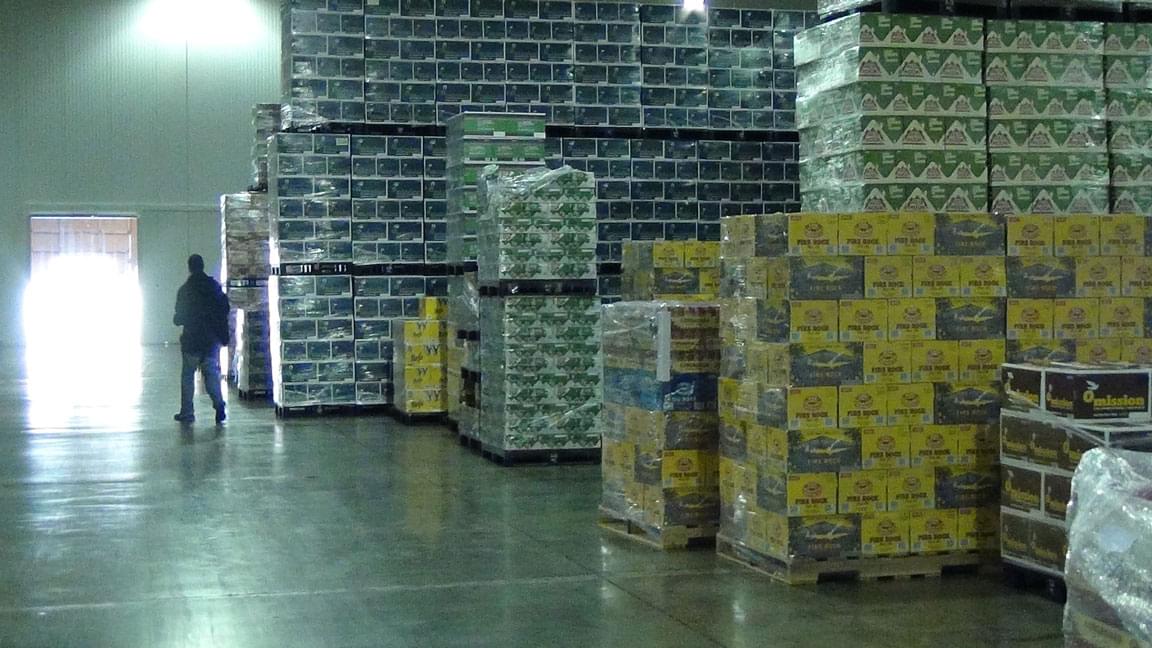
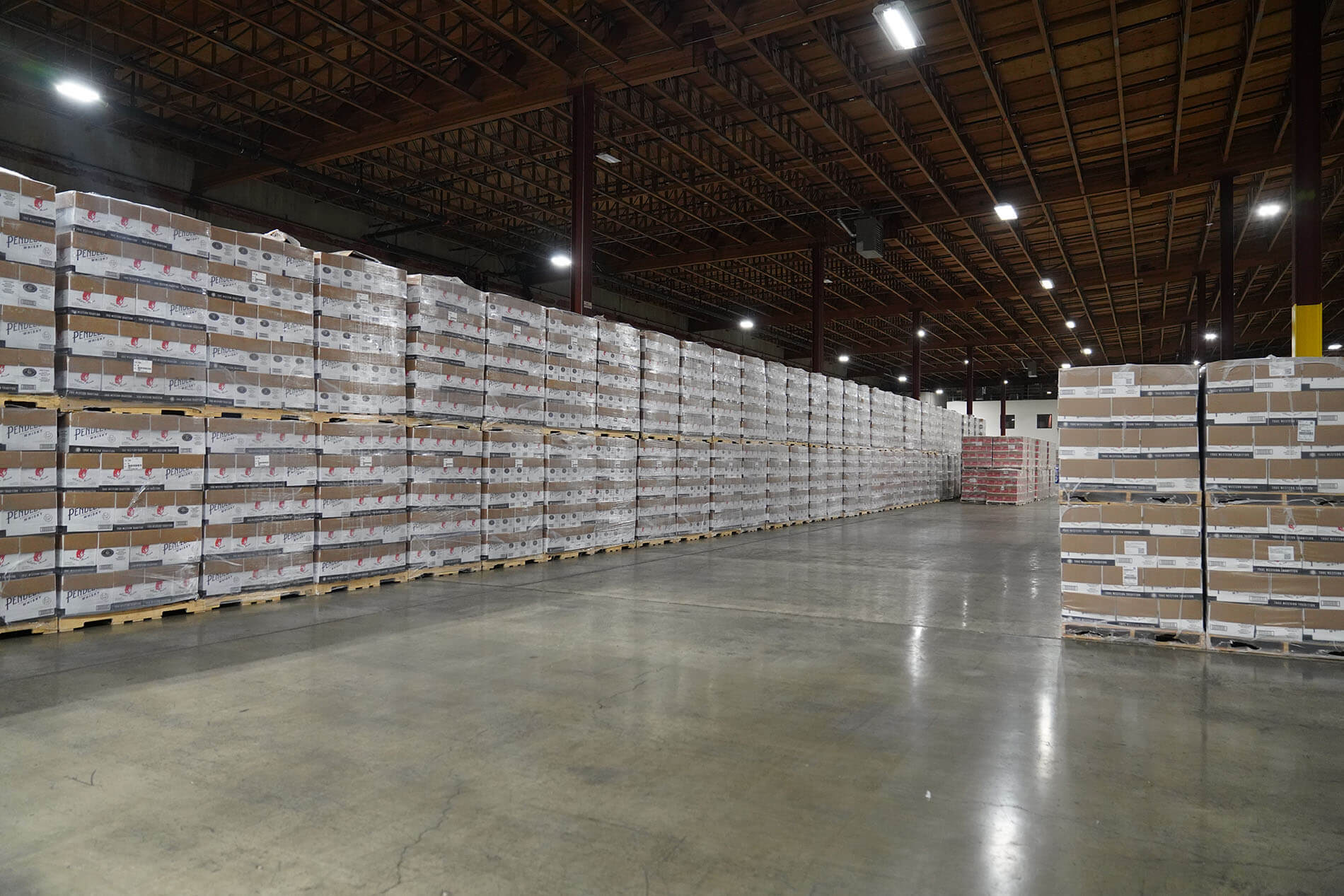
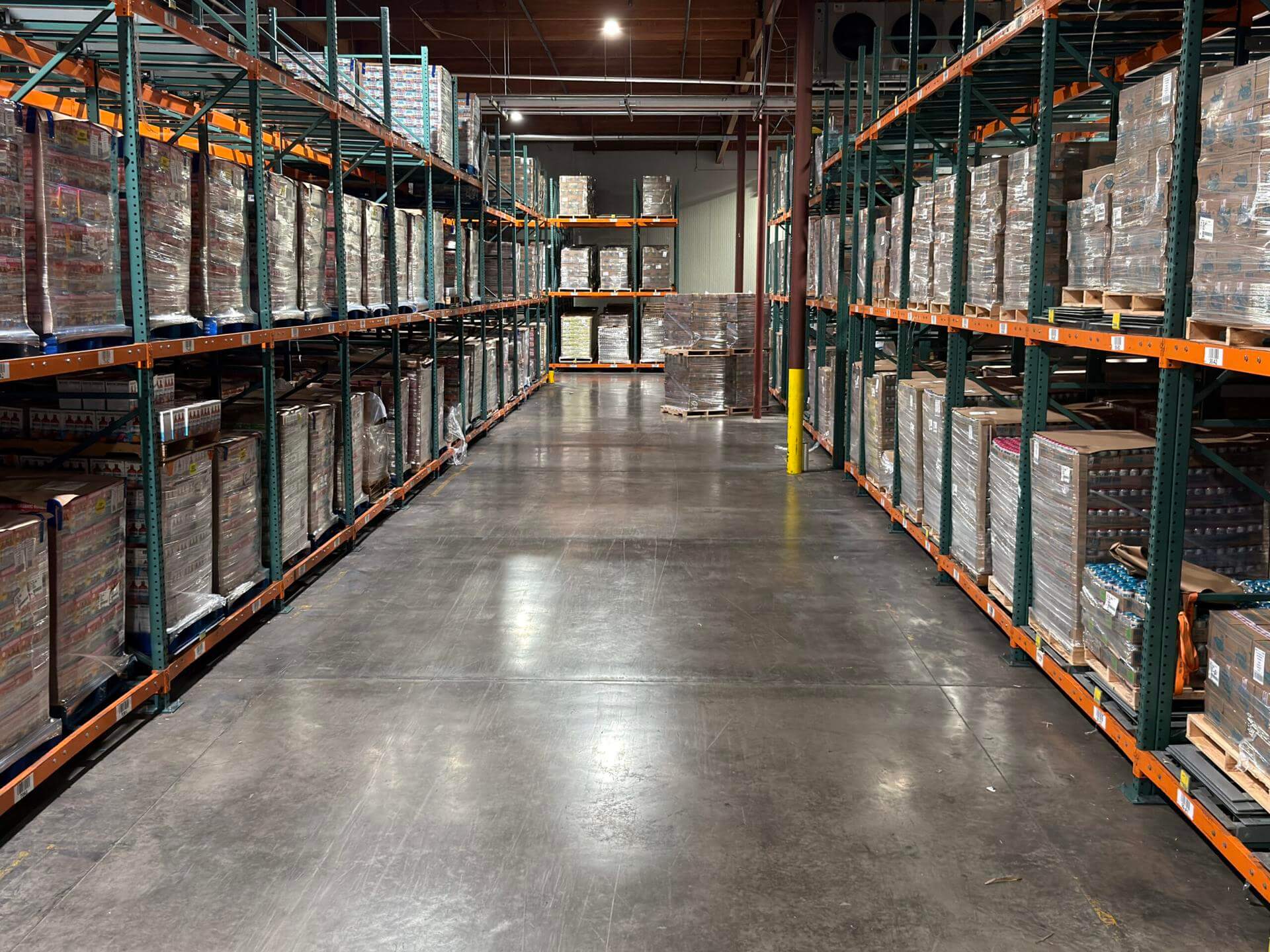
If the receiving site or outbound truck is not ready, discuss temporary storage or staging in advance. Confirm product suitability, space availability, inventory identification, and release instructions.
-
The final handoff
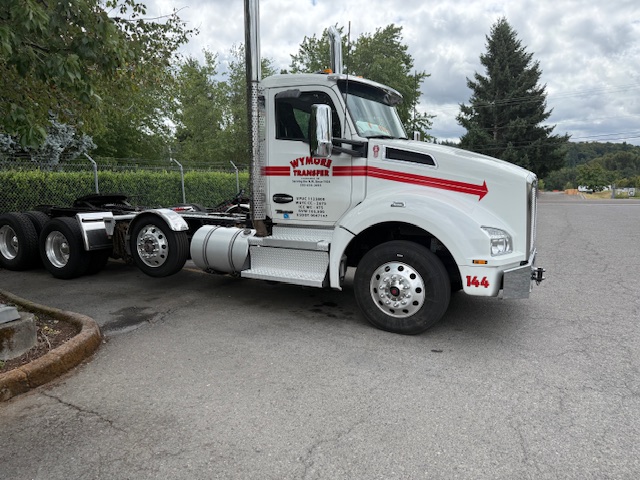
Connect the load with truck delivery.
Provide the delivery address, receiving hours, appointment requirements, and site access details. Confirm truck equipment and who supplies shipping documents before outbound movement is scheduled.
Three gaps to address before arrival.
Rail to truck transloading in Oregon works best when each party understands its role. Resolve these questions while discussing the project.
Who confirms timing?
Identify the contacts responsible for rail arrival coordination, unloading arrangements, truck pickup, and receiving appointments.
Who releases inventory?
Confirm how products are identified and which instructions authorize release, especially when one rail shipment becomes several outbound loads.
What if dates change?
Discuss notice requirements, possible storage needs, and any applicable charges if arrival or delivery timing differs from the original arrangement.
Wymore can discuss transloading alongside warehouse storage and truck transportation. Explain the complete shipment so the team can assess which services fit.
Start with the freight. Include what comes next.
Gather the information needed to evaluate handling, storage, and outbound transportation.
- The product Commodity, packaging, quantity, weight, dimensions, and handling requirements.
- The railcar Railcar type, available shipment identifiers, and expected arrival information.
- The transfer Unloading needs, special equipment requirements, and proposed timing.
- The next step Storage duration if needed, outbound destinations, delivery windows, and contacts.
Before your next rail shipment.
Does all transloaded freight need warehouse storage?
No. Some projects may transfer directly to outbound transportation. Others need storage or staging. Discuss timing, product requirements, and the receiving schedule before arrival.
What types of railcars can Wymore support?
Wymore lists capabilities for box cars, liquid bulk tanks, dry bulk hoppers, gondolas, and flat cars. Provide the commodity and load details so handling suitability can be confirmed.
Can transloading connect with truck delivery?
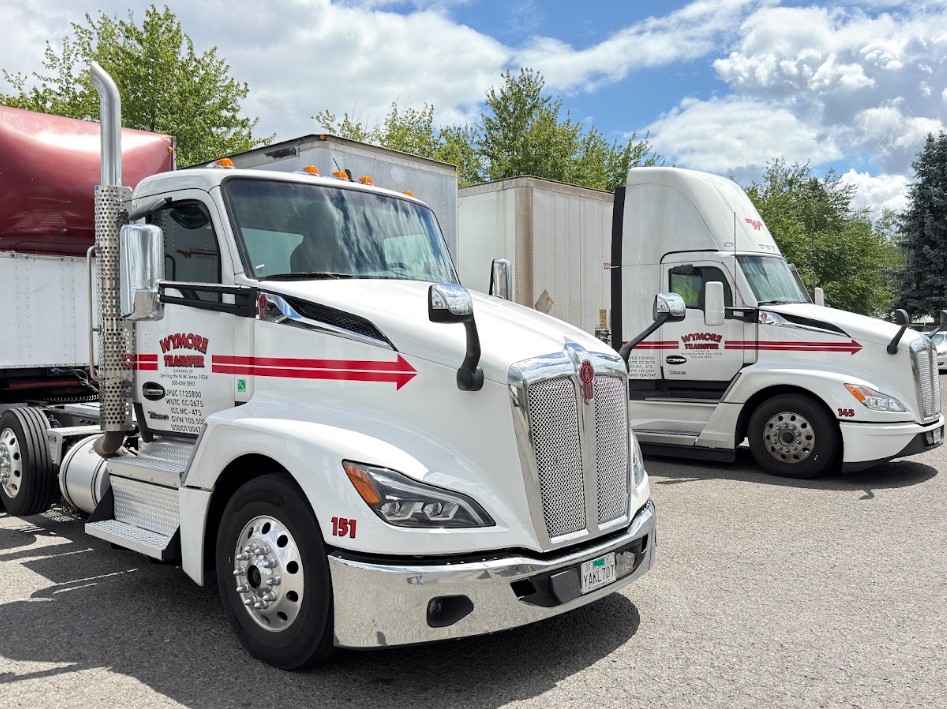
Yes. Wymore offers transloading and trucking services. Share the destination, freight details, and receiving requirements so the transportation team can assess the outbound movement.
What should I provide for an unusual or oversized load?
Include exact dimensions, weight, available drawings or photographs, and loading or unloading requirements. Specialized projects require equipment and handling assessment before scheduling.
Have freight arriving by rail?
Tell Wymore what is arriving, how it needs to be handled, and where it needs to go next.
Discuss Your Transloading Project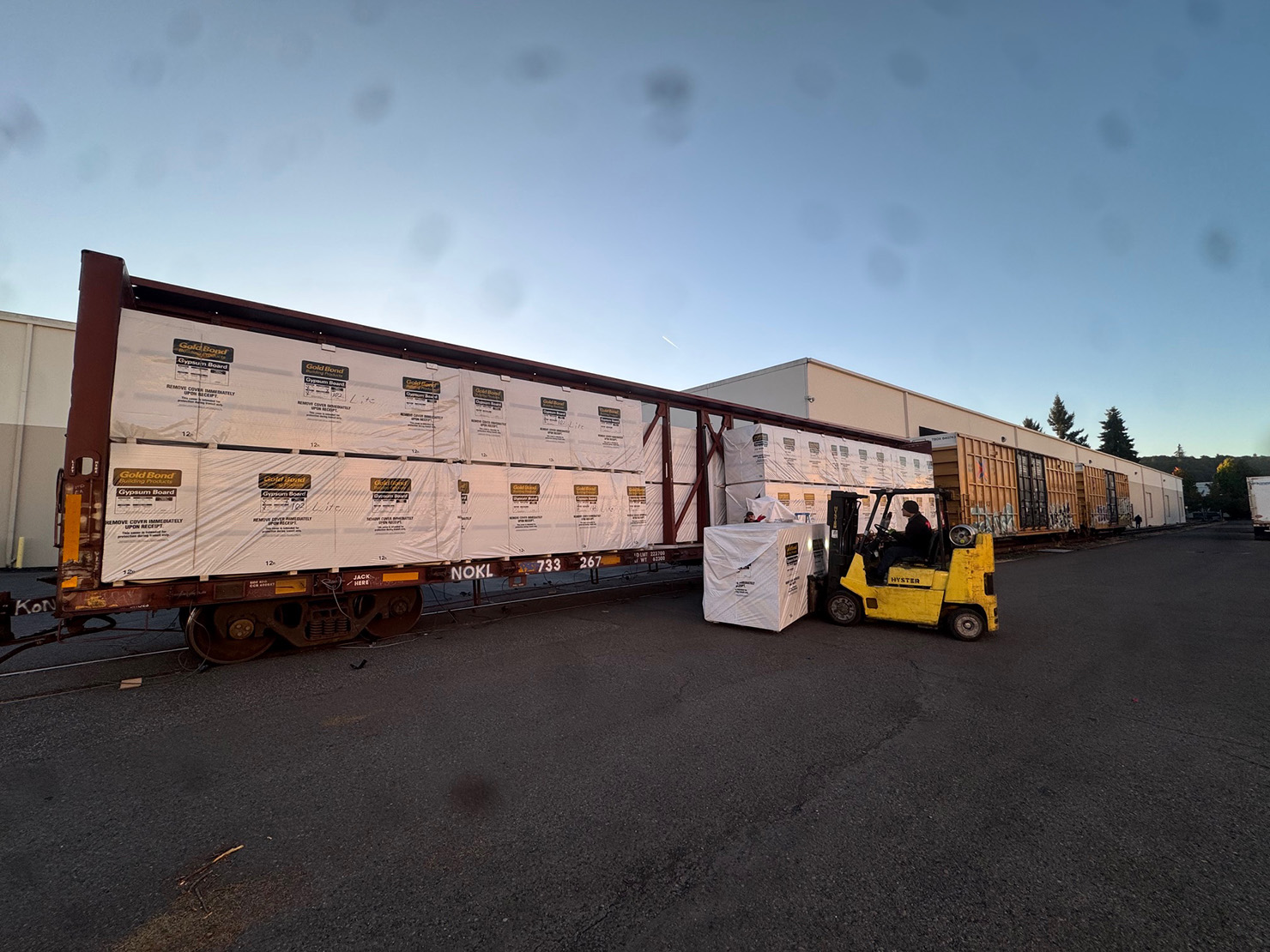
Keep your next shipment moving.
Practical guides to freight transportation, warehouse space, and the logistics decisions behind your next move.