When Your Warehouse Needs to Do More
Storage is only part of the job. Discover when product preparation, repacking, and distribution support can make a difference.
Your Products Arrived. Now What?
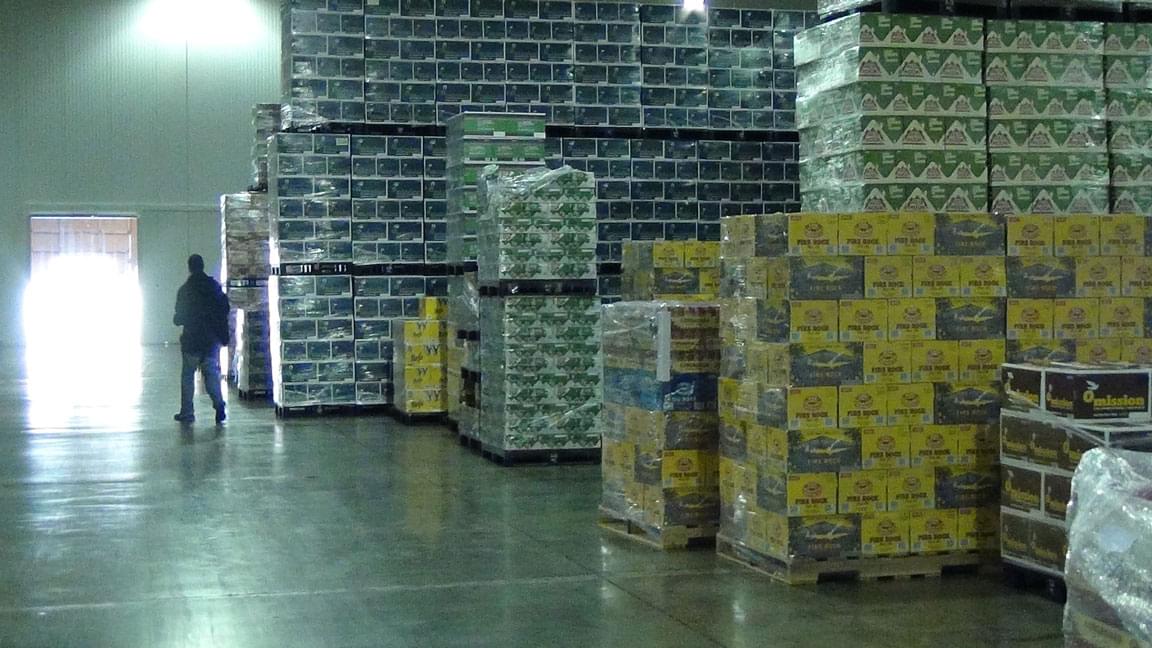
A shipment reaches the warehouse, but the products aren’t ready for the next customer.
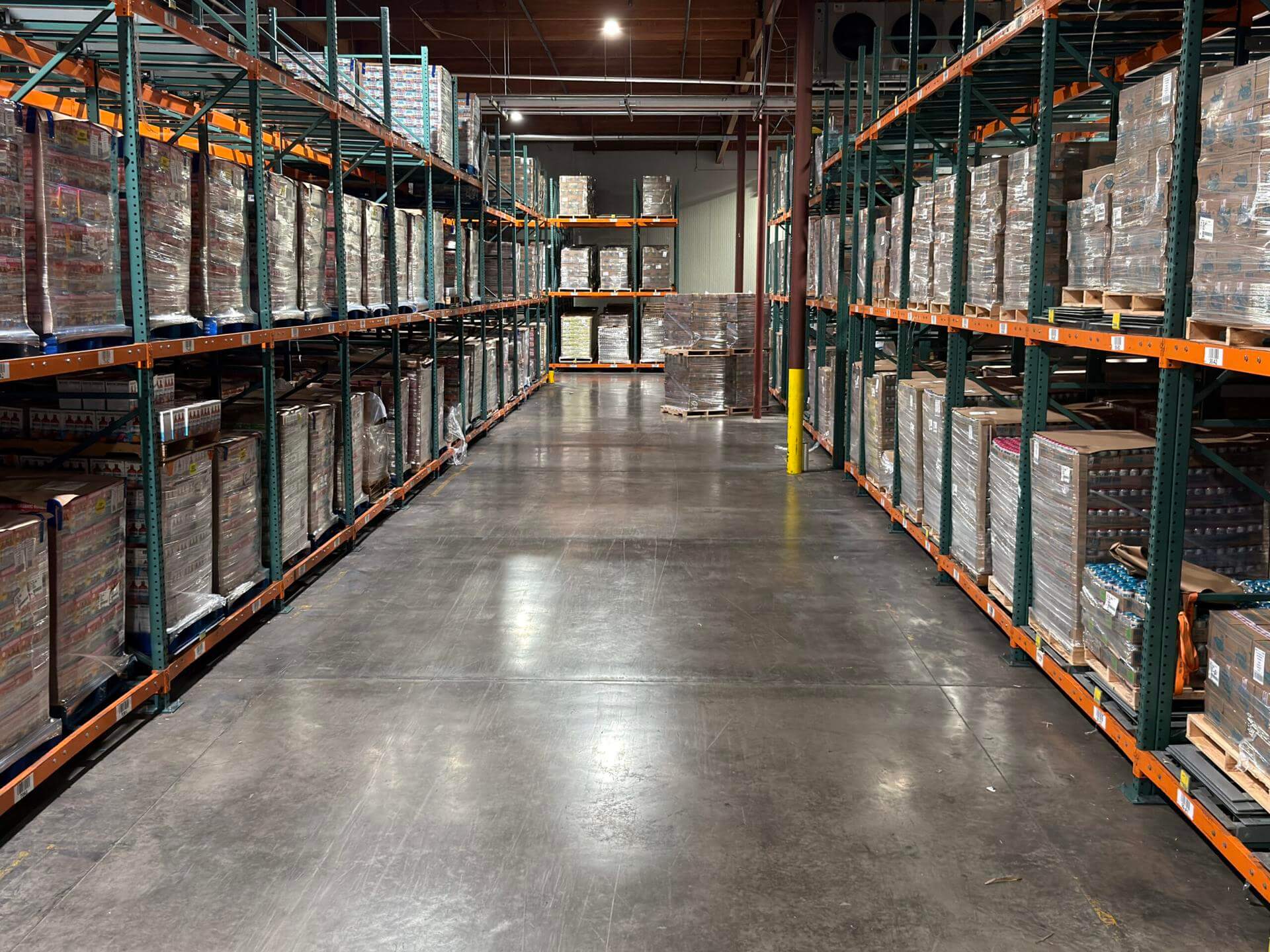
When your warehouse needs to do more than store inventory, everyday tasks like labeling, repacking, and preparing orders can become part of a larger logistics challenge.
Maybe cartons need new labels. Several items must be grouped into a single package. Or a retailer requires products to be prepared before delivery.
These are situations where value added warehousing becomes important. Instead of sending inventory somewhere else for additional work, businesses can explore completing those tasks as part of their warehouse operation.
The result can be fewer handoffs, clearer coordination, and a more practical route from receiving to distribution.
From Receiving to Ready-to-Ship
Traditional storage answers where inventory will stay. Value-added services address what must happen before that inventory can move.
Inventory Arrives
Products are received, checked against shipment information, and directed into the appropriate warehouse process.
Products Are Prepared
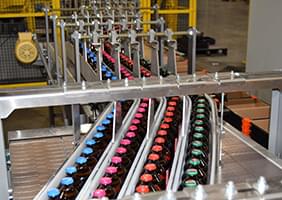
Depending on the service agreement, inventory may require labeling, repacking, grouping, or other preparation before distribution.
Freight Moves Forward
Once products meet the required specifications, outbound shipments can be coordinated for their next destination.
Why Storage Alone Isn’t Always Enough
Consider a distributor receiving hundreds of cases from a manufacturer. The products are in good condition, but the next customer has specific packaging and labeling requirements.
Knowing when your warehouse needs to do more starts with understanding what happens between receiving inventory and shipping it.
If those requirements aren’t handled before shipment, the distributor may need to arrange another processing step.
Value added warehousing and distribution can help businesses coordinate product preparation with inventory storage and outbound freight.
The key is identifying these needs before inventory arrives, rather than discovering them when a shipment is already scheduled.
What Counts as Value-Added Warehousing?
The exact services vary by provider, facility, and product type. Common examples include:
Labeling
Applying product, carton, shipping, or retailer-specific labels before distribution.
Repacking
Changing packaging configurations to meet shipping or customer requirements.
Kitting
Grouping multiple items into a defined set for a customer or distribution program.
Product Preparation
Completing agreed handling tasks so inventory meets outbound requirements.
Ask Wymore Transfer which value-added services are available for your products and facility requirements.
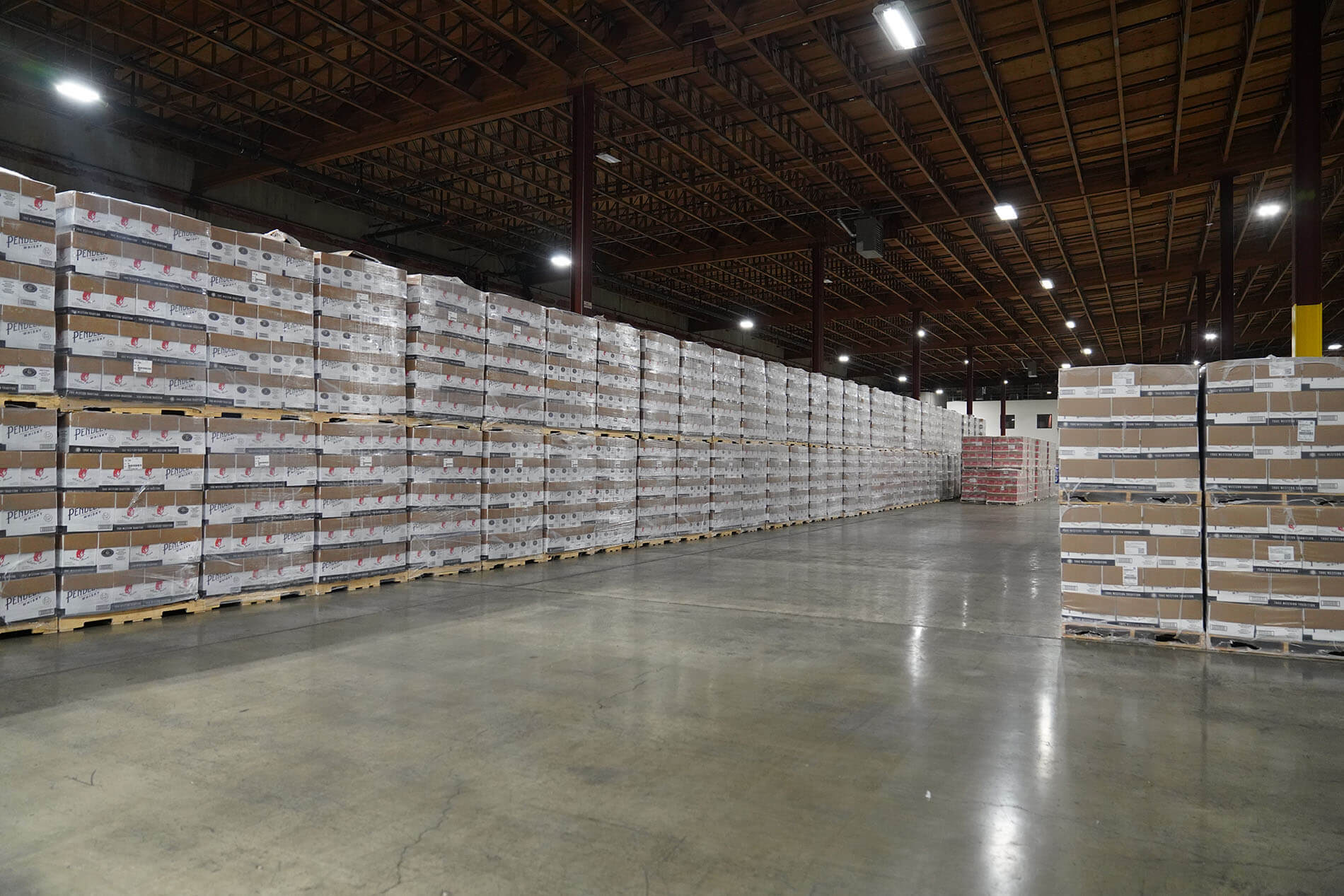
The Goal Isn’t More Warehouse Work
It’s getting products ready for their next destination without creating unnecessary stops between storage and delivery.
3 Signs You Need More Than Storage
Businesses often discover the need for value-added support when customer requirements become more demanding.
Retailers Have Specific Requirements
Your products need particular labels, packaging, or configurations before a retailer will accept them.
Too Many Vendors Touch the Product
Inventory moves between separate storage, preparation, and distribution providers.
Order Preparation Slows Shipping
Products are physically available, but additional handling delays their release for delivery.
What Should You Confirm First?
When your warehouse needs to do more, the right logistics partner should understand your product requirements, shipment schedules, and distribution goals.
Before requesting value added warehousing, document exactly what must happen to your products.
Start with the inventory volume, packaging specifications, labeling instructions, expected turnaround time, and shipping destinations. Then ask how each task will be tracked and billed.
For Oregon businesses, it also helps to consider whether warehouse preparation can be coordinated with warehousing and trucking services .
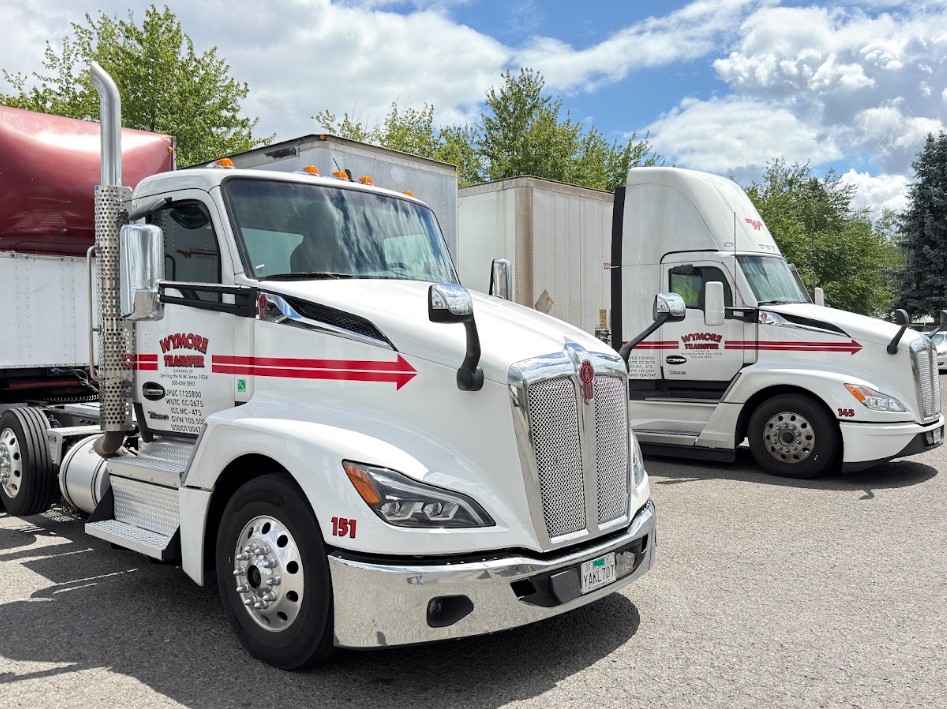
Wymore Transfer operates in the Portland-area logistics market. Discussing your requirements directly is the best way to confirm service fit, available capabilities, and scheduling.
Value-Added Warehousing FAQs
What is value added warehousing?
Value added warehousing combines inventory storage with additional product-handling or preparation services. Examples may include labeling, repacking, kitting, and preparing products for outbound distribution.
How is value-added warehousing different from traditional storage?
Traditional warehousing focuses on receiving, storing, and releasing inventory. Value-added warehousing includes agreed preparation tasks that products need before shipping.
Can value-added services support retail distribution?
Yes. Depending on the provider’s capabilities, services such as labeling, repacking, and kitting can help products meet retailer-specific requirements.
Does every 3PL offer kitting and repacking?
No. Services vary by provider and facility. Businesses should confirm available equipment, handling capabilities, pricing, and operational requirements before making arrangements.
What information should I provide when requesting a quote?
Share product types, quantities, packaging instructions, labeling requirements, expected volume, deadlines, and shipping destinations. Include samples or specifications when available.
Need Products Ready for Distribution?
Tell us what you’re storing, what preparation your products require, and where they’re going. Let’s discuss whether Wymore Transfer can support your warehouse operation.
Request a QuoteKeep your next shipment moving.
Practical guides to freight transportation, warehouse space, and the logistics decisions behind your next move.