Transloading vs. Warehousing: What’s the Difference?
Moving freight or storing inventory? Learn when your business needs transloading, warehousing, or both.
Where Does Your Freight Go Next?
Your shipment has arrived in Oregon. But it isn’t ready for its final destination. Should it be transferred to another truck or moved into storage?
That’s where the difference between transloading and warehousing matters.
One helps freight change transportation equipment. The other holds inventory until it’s needed. Understanding both can help businesses avoid unnecessary handling, delays, and storage costs.
Transfer Freight or Store It?
Both services support the supply chain, but they solve different problems.
Transloading
Transloading moves cargo from one transportation vehicle or mode to another.
For example, freight may arrive in a railcar or container and need to continue by truck.
Best suited for:- Changing transportation modes
- Transferring freight between vehicles
- Preparing cargo for onward movement
- Coordinating inbound and outbound freight

Warehousing
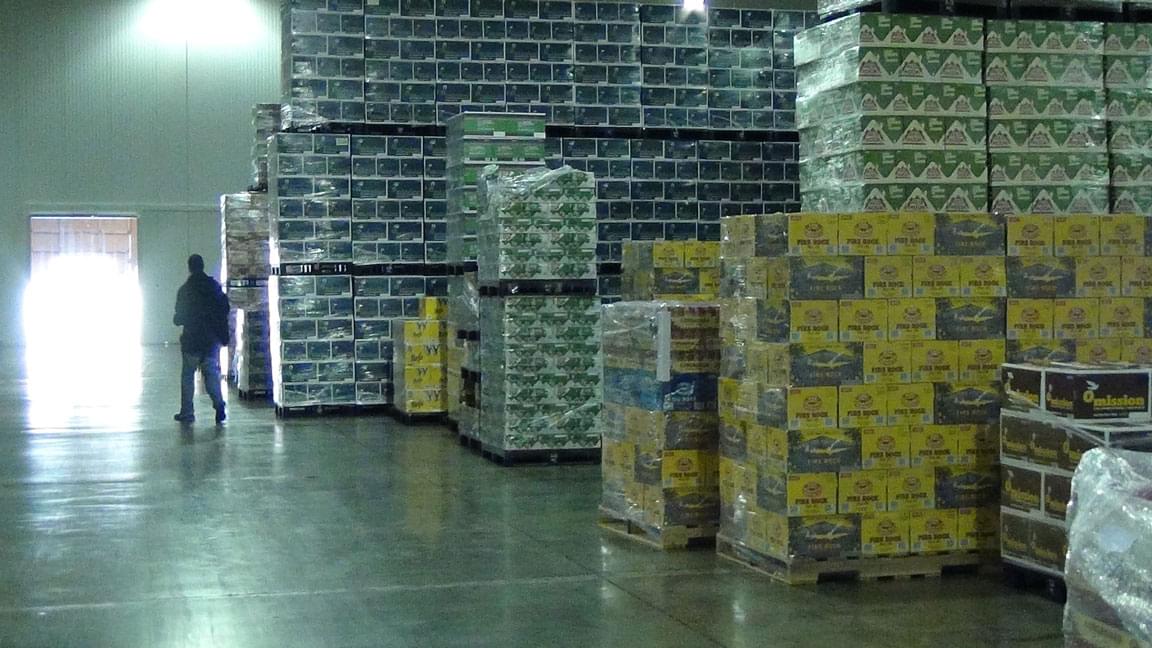
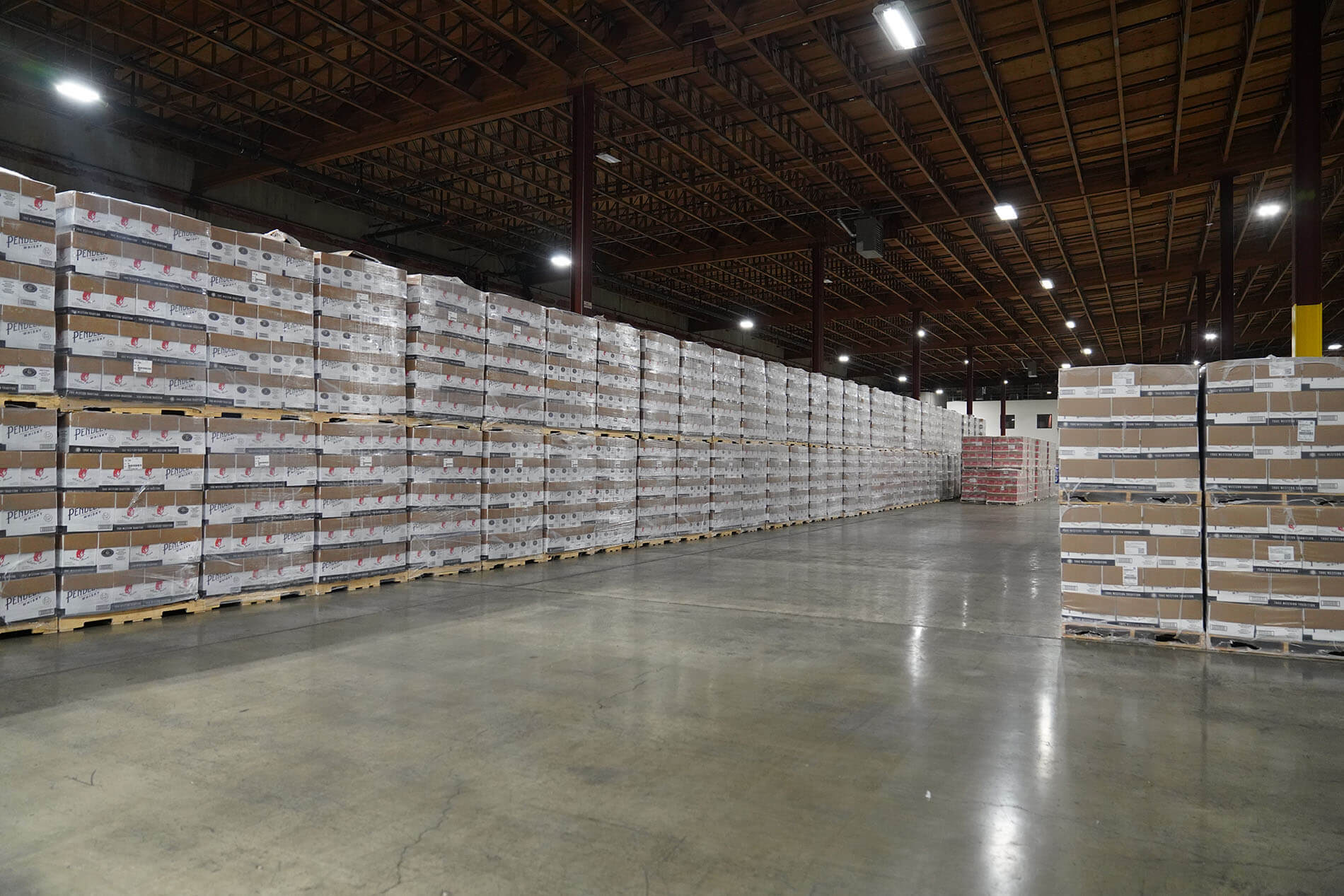
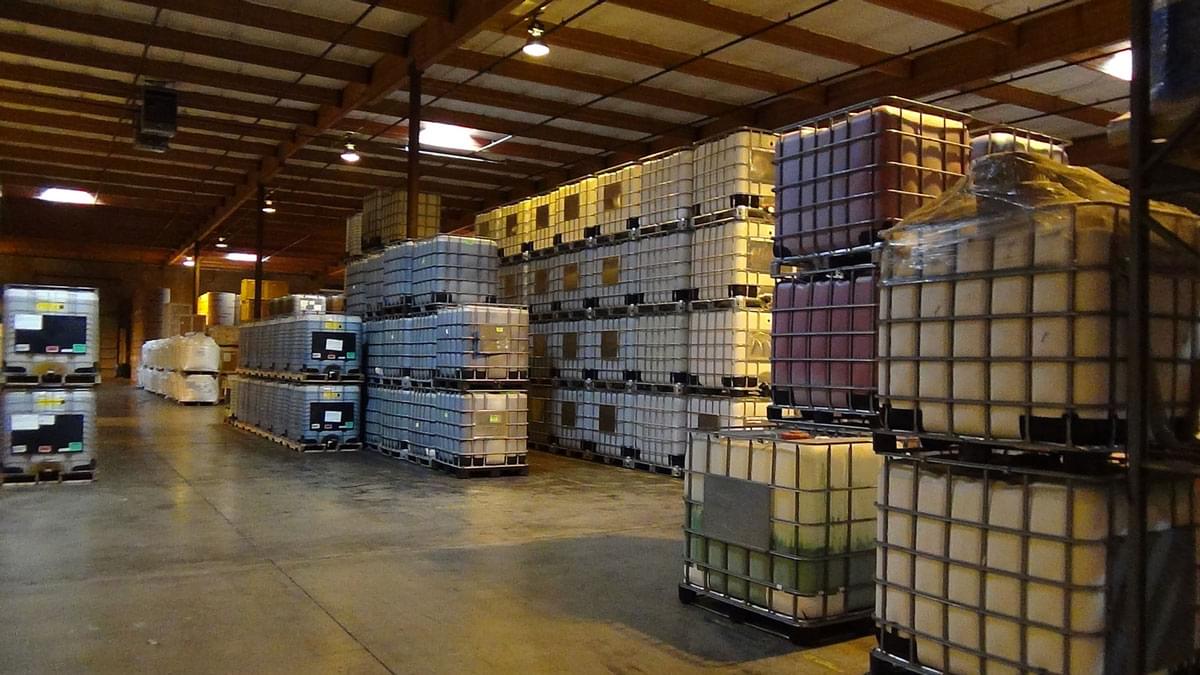
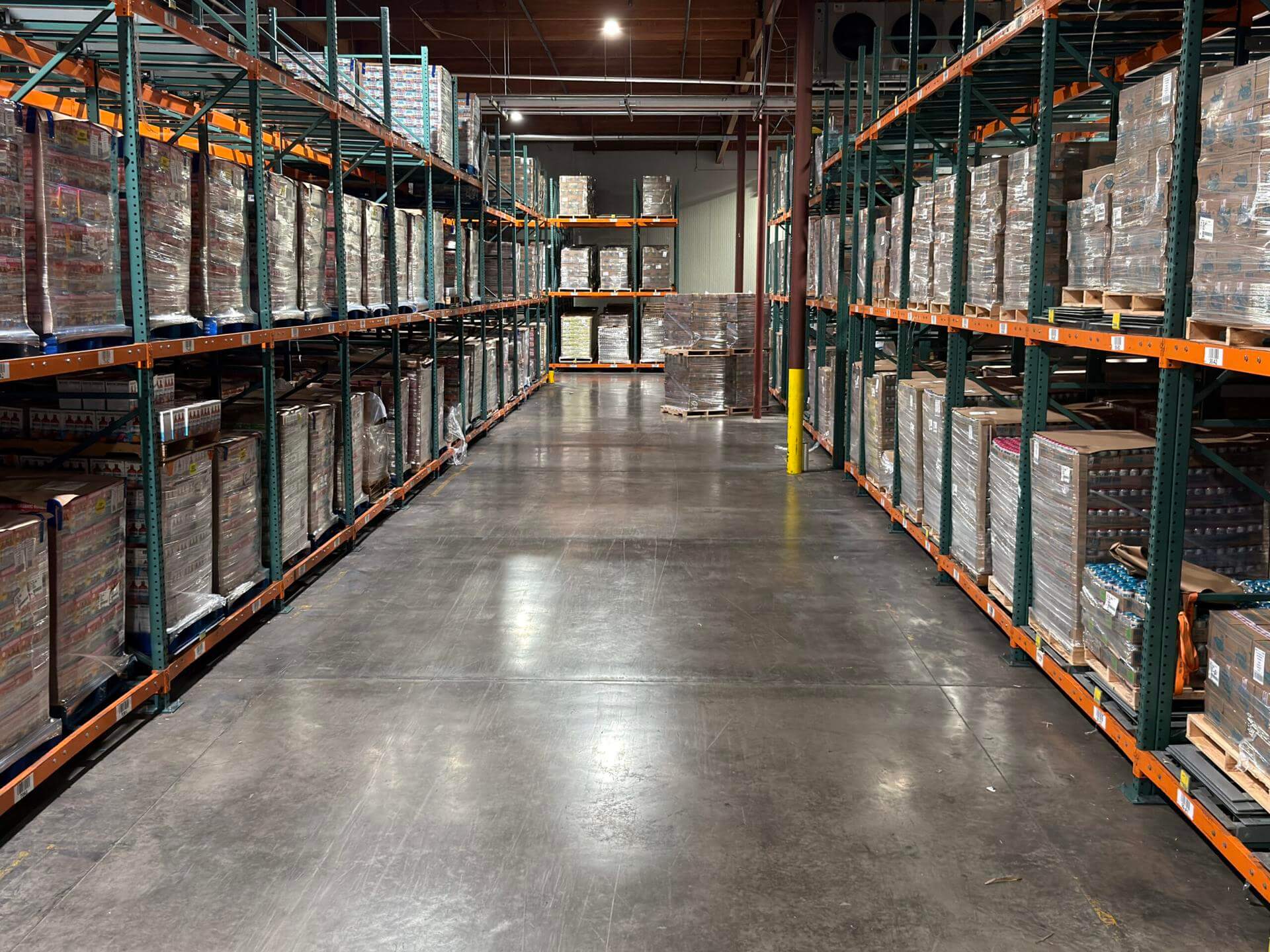
Warehousing stores products until they are needed for distribution, production, or customer orders.
It may include receiving, inventory tracking, handling, and outbound preparation.
Best suited for:- Holding inventory between shipments
- Managing stock availability
- Supporting seasonal inventory
- Coordinating warehouse distribution
When Both Services Work Together
Some shipments need more than a direct transfer. Products may need temporary storage before reaching their next destination.
Freight Arrives
Products arrive by an inbound transportation method.
Transfer or Store
Cargo moves to another vehicle or into warehouse inventory, depending on the plan.
Continue Distribution
Freight leaves for its next destination when transportation is arranged.
What If Your Customer Isn’t Ready?
Imagine a manufacturer shipping a large volume of products into the Portland area.
The freight arrives, but the customer cannot receive the entire shipment immediately.
A direct transload may not solve the problem. The business may need warehouse space to hold inventory until deliveries can be scheduled.
This is where transloading and warehousing services can complement one another.
The right arrangement depends on cargo requirements, timing, available facilities, and transportation coordination.
Which Service Does Your Business Need?
Start with what must happen to your freight after it arrives.
Your Freight Needs a Different Vehicle
If cargo must move from one trailer, container, or transportation mode to another, transloading may be appropriate.
Your Products Need to Wait
If inventory must be held until orders, production, or delivery schedules are ready, warehousing is generally the more relevant service.
Your Freight Needs Transfer and Storage
If cargo must change vehicles and remain in inventory before distribution, a combined logistics plan may make sense.
Avoid Paying for the Wrong Process
Before requesting a quote, identify your cargo type, shipment volume, arrival method, storage duration, and final destination.
These details help a logistics provider determine the handling and transportation services your shipment actually requires.
Explore Transloading ServicesWhy Location Matters in Portland
For businesses moving products through Oregon, logistics decisions extend beyond the warehouse itself.
Transportation access, receiving schedules, cargo handling, and distance to the next destination can all affect freight movement.
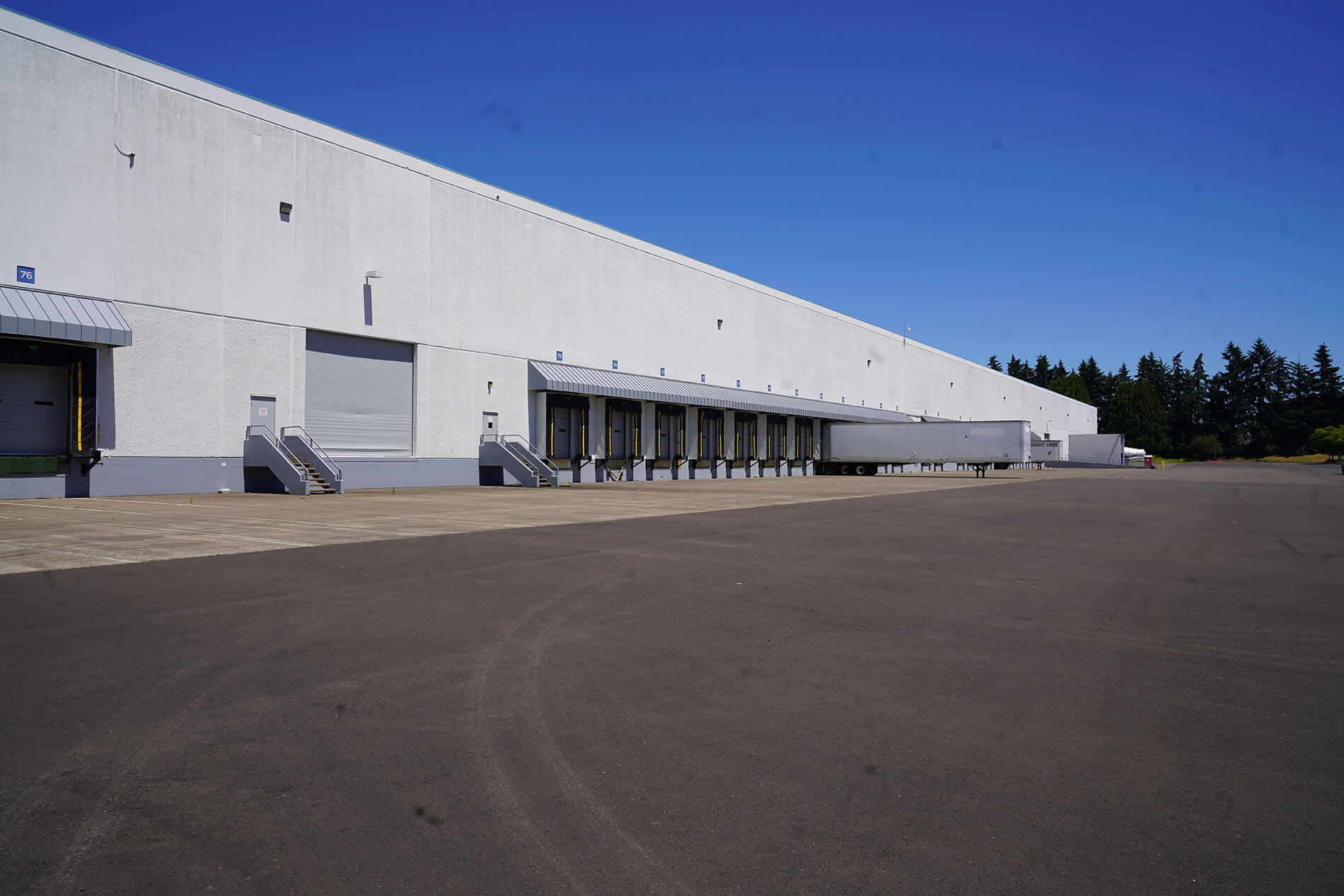
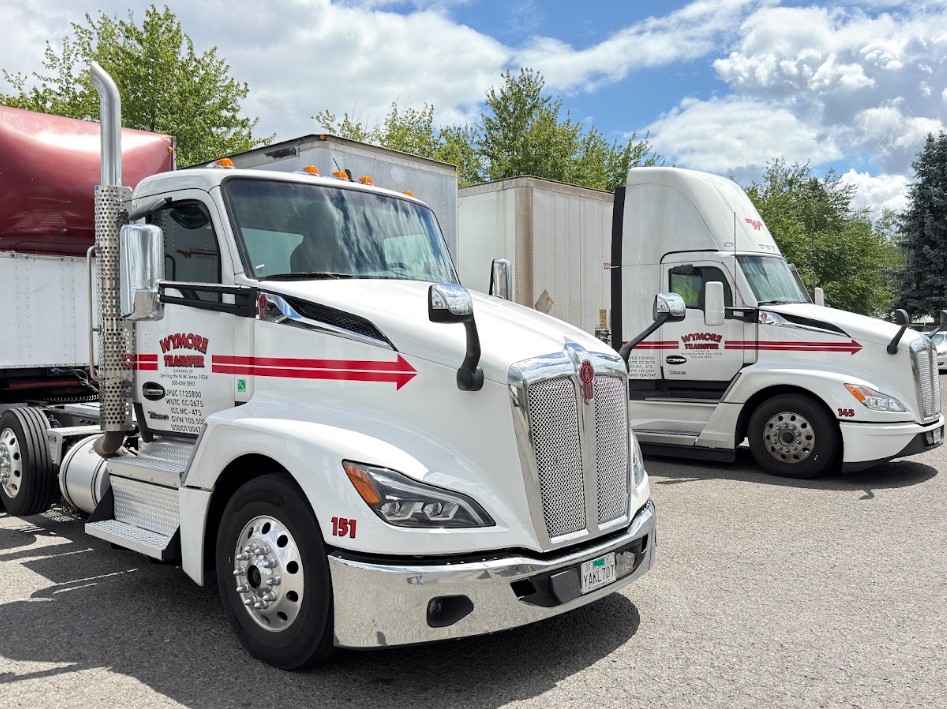
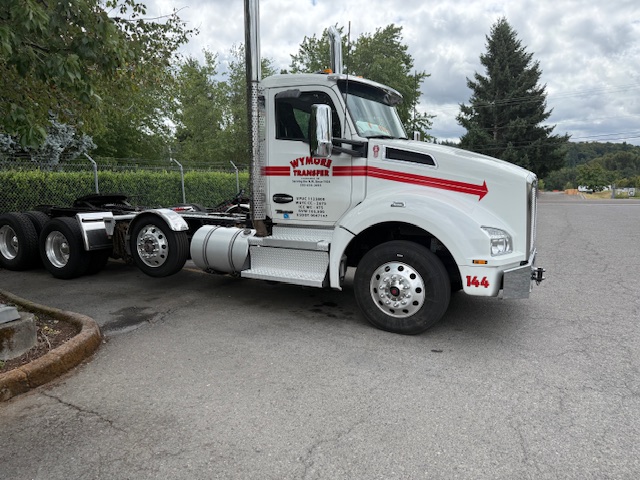
Wymore Transfer operates facilities in Clackamas and Wilsonville, Oregon, and provides warehousing and transportation services.
Businesses exploring transloading and warehousing services should confirm the available handling methods and facility requirements for their specific freight.
Learn more about Wymore’s warehousing services and trucking capabilities.
3 Questions Worth Asking
A clear freight plan starts with the right information.
How Is the Cargo Arriving?
Identify the inbound vehicle, container type, load dimensions, weight, and unloading requirements.
Does It Need Storage?
Determine whether the shipment will leave immediately or remain in inventory until a later delivery date.
Where Is It Going Next?
Confirm the final destination, receiving requirements, shipment schedule, and outbound transportation plan.
Transloading & Warehousing FAQs
What is the main difference between transloading and warehousing?
Transloading transfers freight between transportation vehicles or modes. Warehousing stores inventory until products are needed for distribution or another purpose.
Does transloading always require warehouse storage?
No. Freight may transfer directly between vehicles without entering long-term storage. Some shipments require temporary staging or additional warehouse services.
Can transloading help with rail-to-truck shipments?
Yes. Rail-to-truck transfer is one application of transloading. The facility must have appropriate access, equipment, and cargo-handling capabilities for the shipment.
Can warehousing and transloading be used together?
Yes. A shipment may be transferred from its inbound transportation method, placed into storage, and later prepared for outbound distribution.
What information is needed for a transloading quote?
Provide the cargo description, dimensions, weight, quantity, arrival method, handling requirements, destination, and expected schedule.
Not Sure Which Service You Need?
Tell us how your freight arrives, where it needs to go, and whether storage is required. Let’s discuss the right logistics approach for your shipment.
Request a QuoteKeep your next shipment moving.
Practical guides to freight transportation, warehouse space, and the logistics decisions behind your next move.